
Volunteer with Marine Training Corps
Volunteering with the Marine Training Corps
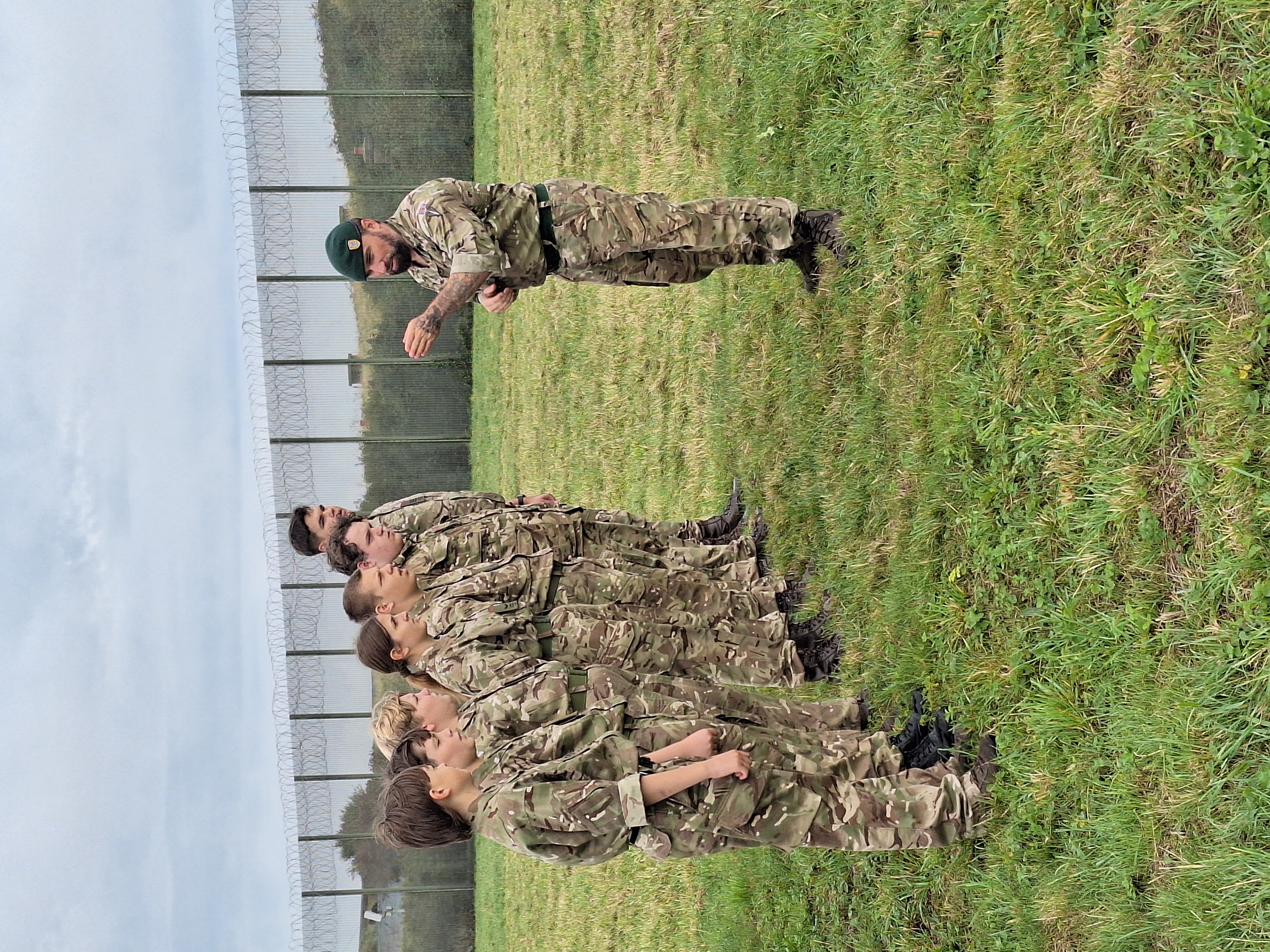
Become an MTC Cadet
Adventure. Friendship. Skills for Life.
Join the Marine Training Corps and spend your time doing something exciting — from fieldcraft and training exercises to adventure activities like climbing, biking, and more.
Yes, you might get a bit wet and muddy…
but you’ll also have the time of your life, make great friends, and build skills that will stay with you for life.
What is the MTC?
The Marine Training Corps is a youth organisation that helps young people develop confidence, discipline, teamwork, and leadership skills through a wide range of structured activities.
We provide a safe, supportive, and challenging environment where cadets can:
- Learn new skills
- Take on responsibility
- Build friendships
- Grow as individuals
Come and Try It
You don’t have to commit straight away.
You can visit your nearest MTC unit (with a parent or guardian) and see what a training night is really like.
- Meet the team
- Take part in activities
- Get a feel for the environment
There’s no pressure to join — just come along and see if it’s right for you.
What Do We Do?
Training nights are varied, engaging, and designed to keep things interesting.
Depending on the time of year, you could be taking part in:
- Fieldcraft and outdoor training
- First aid and emergency skills
- Navigation and map reading
- Drill and teamwork exercises
- Sports and physical training
- Leadership and problem-solving challenges
We also run:
- Camps and field days
- Adventure training activities
- Competitions and events
What’s in it for You?
Being a cadet is more than just activities — it’s about personal development.
You’ll gain:
- Confidence and resilience
- Leadership and teamwork skills
- Independence and responsibility
- Opportunities to earn awards and qualifications
- Friendships that last
You’ll also take pride in your uniform, develop discipline, and be part of something you can be proud of.
Cadet Progression
As you grow, you’ll have the opportunity to take on more responsibility and leadership:
- Cadet – Learn the basics and get involved
- Cadet Lance Corporal – Support others and lead a small team
- Cadet Corporal – Instruct cadets and lead larger groups
- Cadet Sergeant – Manage teams and develop leadership skills
- Cadet Colour Sergeant – Support training and planning
- Cadet Sergeant Major (15+) – Senior cadet leadership role
- Cadet Regimental Sergeant Major – Ceremonial and senior leadership duties
- Cadet Under Officer – A rare award for exceptional leadership potential
The more effort you put in, the more you will achieve.
Turning 18
Cadets aged 18+ become Staff Cadets.
They:
- Take on additional responsibility
- Support and mentor younger cadets
- Complete safeguarding and induction training
- Help bridge the gap between cadet and adult volunteer
Who Can Join?
We welcome cadets from all backgrounds.
- Junior Cadets: ages 9–12
- Cadets: ages 12–17
- Opportunities to remain involved up to age 21
No experience is needed — just a positive attitude and a willingness to get involved.
A Safe and Supportive Environment
The welfare of our cadets is our highest priority.
- All activities are supervised by trained volunteers
- Safeguarding policies are strictly followed
- Risk assessments are carried out for all activities
Parents and guardians can feel confident that cadets are in a safe and structured environment.
What Are You Waiting For?
All our units welcome visitors during training nights (usually twice a week).
Some units recruit year-round, while others have specific intake periods.
Come along, see what it’s all about, and decide for yourself.
You don’t have to join — but you might not want to miss out.
Get Involved
Get in touch today to find your nearest unit and arrange your first visit.
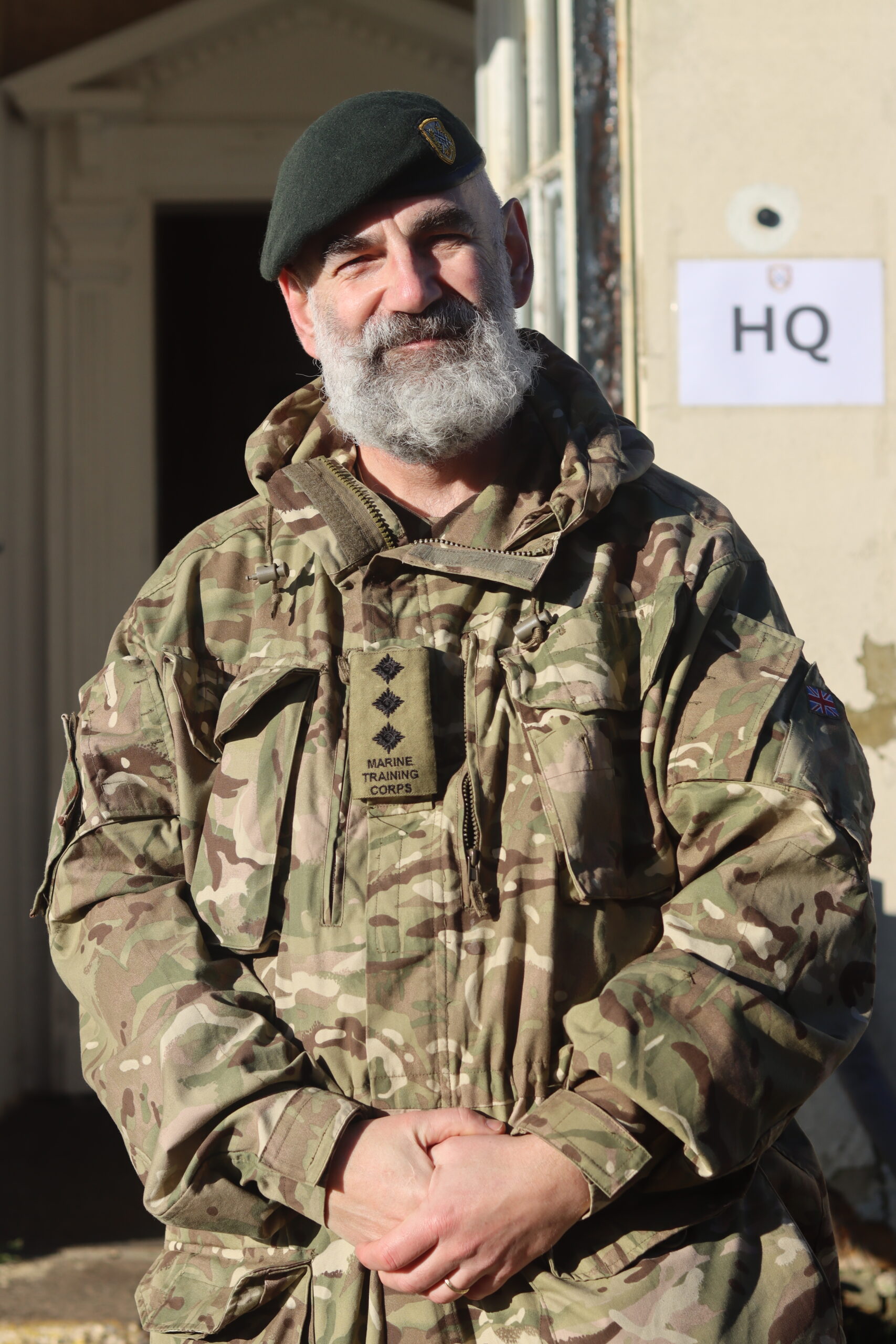
Becoming an Officer in the MTC
Lead. Inspire. Make a Difference.
Officers in the Marine Training Corps play a key role in leading, developing, and supporting both cadets and adult volunteers.
As an Officer, you will be responsible for helping to shape the direction of your unit or area, maintaining high standards, and ensuring that cadets receive a safe, structured, and rewarding experience.
Whether you are working at unit level, supporting training camps, or contributing at area or national level, you will be expected to:
- Demonstrate strong leadership and professionalism
- Understand and apply MTC policies and procedures
- Support decision-making and organisational development
- Lead and mentor both cadets and volunteers
While this may sound demanding, you will receive full guidance, training, and ongoing support. If the role is right for you, you will be supported to develop and succeed.
Why Become an Officer?
Becoming an Officer is a rewarding opportunity to:
- Take on a senior leadership role within the organisation
- Influence training, standards, and development
- Support and mentor both cadets and adult staff
- Develop valuable leadership and management skills
- Make a lasting impact on young people’s lives
It is a role that brings both challenge and satisfaction, with real opportunities for personal growth.
The Assessment Weekend
To become an Officer, candidates attend an Assessment Weekend, designed to evaluate leadership potential, communication skills, and suitability for the role.
The weekend consists of:
- A briefing phase – preparation, guidance, and understanding expectations
- A testing phase – practical assessments and activities
The aim is not to catch you out, but to give you the opportunity to demonstrate your potential in a supportive environment.
What to Expect:
Group Discussions
Description:
You will take part in leaderless group discussions on a range of topics, including at least one youth-related subject.
Purpose:
To assess communication, listening skills, teamwork, and your ability to express ideas clearly and confidently.
Mental Aptitude Tests
Description:
Computer-based assessments covering verbal, numerical, and abstract reasoning.
Purpose:
To evaluate problem-solving ability and identify strengths across different areas.
Planning Exercise (PlanEx)
Description:
You will be given a scenario and asked to develop a structured plan, considering factors such as time, resources, risk, and environment.
This includes:
- An individual written plan
- A group planning discussion
- Questions from assessors
Purpose:
To assess how you analyse information, solve problems, and communicate your ideas effectively.
Individual Presentation (Lecturette)
Description:
You will be given a selection of topics and 10 minutes to prepare a 5-minute presentation.
Purpose:
To assess confidence, organisation of thought, and presentation skills.
Interview
Description:
A one-to-one interview with an assessor and an MTC Officer.
Purpose:
To understand your motivation, experience, leadership potential, and suitability for the role.
Training and Support
If successful, you will undertake further training through the Internal Officer Training Programme (MTC).
This will support you in:
- Developing leadership and management skills
- Understanding organisational responsibilities
- Building confidence in your role
You will also receive ongoing support from senior staff and peers as you develop.
Is This Role Right for You?
You may be suited to becoming an Officer if you:
- Enjoy leading and supporting others
- Are confident making decisions
- Want to take on greater responsibility
- Are motivated to help young people succeed
You do not need to have all the answers — just the willingness to learn and develop.
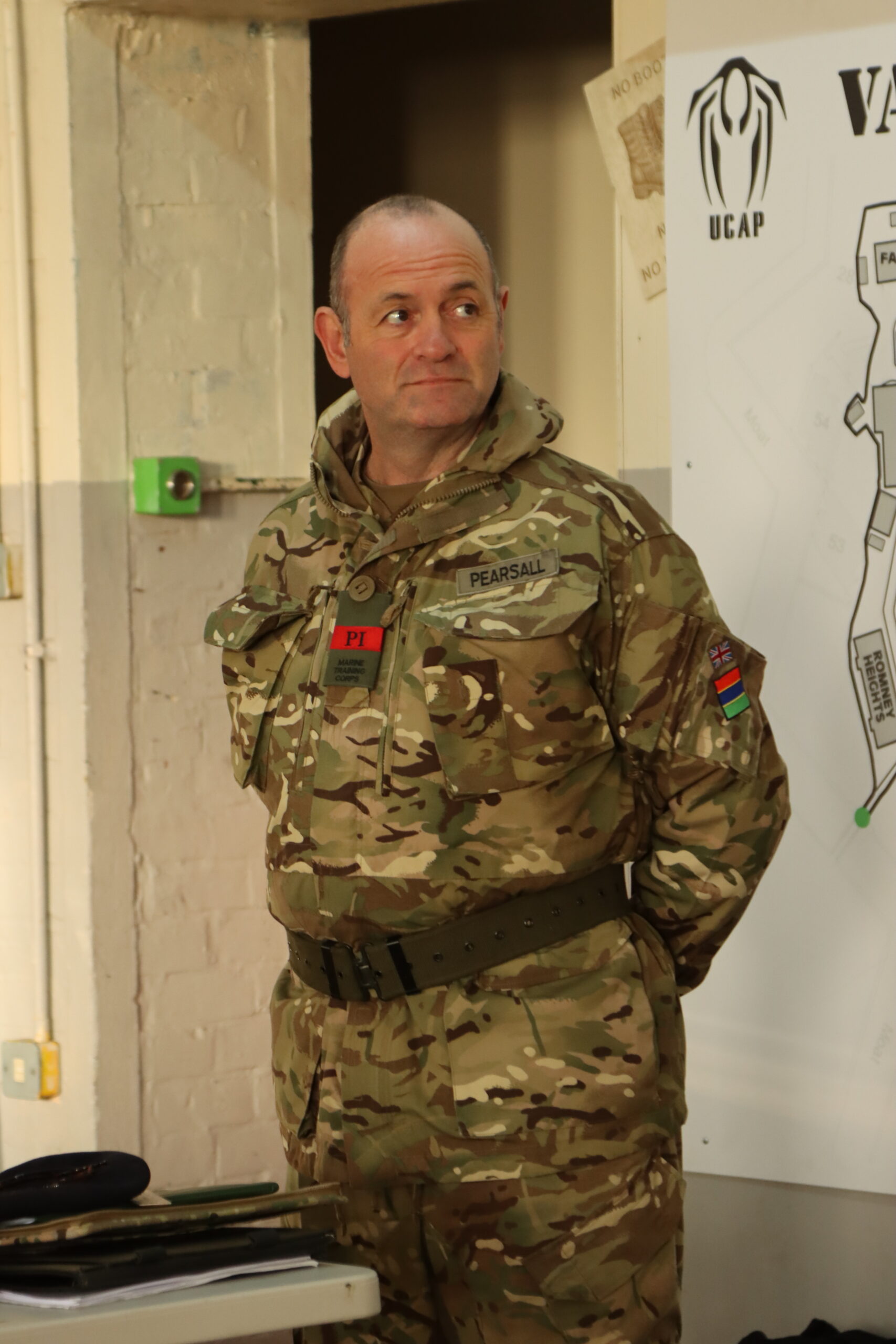
Becoming an Adult Instructor (NCO)
Lead by Example. Support. Develop.
Adult Instructors (Non-Commissioned Officers) are a vital part of the Marine Training Corps, playing a key role in delivering training, maintaining standards, and supporting the development of both cadets and volunteers.
NCO roles include:
- Acting Sergeant
- Sergeant
- Staff Sergeant
- Sergeant Major
NCOs are responsible for upholding discipline, professionalism, and standards, particularly in areas such as drill, turnout, and behaviour within the unit.
Why Become an NCO?
Becoming an NCO is a rewarding opportunity to take a more active leadership role within the organisation.
As an NCO, you will:
- Work directly with cadets on a regular basis
- Play a key role in delivering training and activities
- Support the development of younger cadets and new volunteers
- Build leadership, communication, and organisational skills
- Be part of a motivated and supportive team
It is a hands-on role where you will see the impact of your efforts every week.
Your Role
As an NCO or Instructor, you will:
- Support the delivery of training programmes and activities
- Maintain high standards of discipline, conduct, and presentation
- Lead by example for both cadets and fellow volunteers
- Support the organisation and development of your unit
- Assist in mentoring and developing cadets
You will act as a role model, helping to shape the experience, behaviour, and development of young people.
Get Involved
This is a practical and engaging role where you can fully participate in everything the MTC offers.
You will:
- Take part in a wide range of training and activities
- Work closely with cadets and other members of staff
- Support camps, field days, and events
- Help deliver meaningful and rewarding experiences
No formal qualifications are required — just commitment, reliability, and a willingness to learn.
Training and Support
When you begin your journey as an NCO, you will receive support to help you develop in the role.
This may include:
- Guidance from experienced staff
- On-the-job learning during training nights
- Opportunities to attend courses and development events
If appointed as an Acting Sergeant, you will be required to complete an NCO Staff Course within a set period to confirm your rank.
Why It Matters
NCOs are the backbone of every MTC unit.
Your contribution directly supports:
- The success and development of cadets
- The smooth and effective delivery of training
- The overall standards and reputation of the organisation
You will see the results of your efforts through the progress, confidence, and achievements of the cadets you support.
Commitment
NCOs are expected to contribute regularly, including:
- Weekly or regular attendance at training nights
- Participation in occasional weekend activities and camps
- Supporting the ongoing development of the unit
The level of commitment may vary, and flexibility is understood.
Getting Started
- Contact your local unit
- Arrange a visit and meet the team
- Take part in an informal interview
- Complete DBS and basic vetting checks
- Begin initial training and development
This process ensures the role is right for you and provides a clear understanding of expectations.
Progression Opportunities
Once established, there are opportunities to take on further responsibility.
You may:
- Progress to Senior NCO (SNCO) roles
- Take on specialist or leadership responsibilities
- Apply to become an Officer
Benefits to You
Volunteering as an NCO offers real personal and professional benefits:
- Develop leadership and management skills
- Gain experience in planning and organisation
- Improve communication and decision-making
- Build practical experience to support your CV
- Be part of a motivated and supportive team
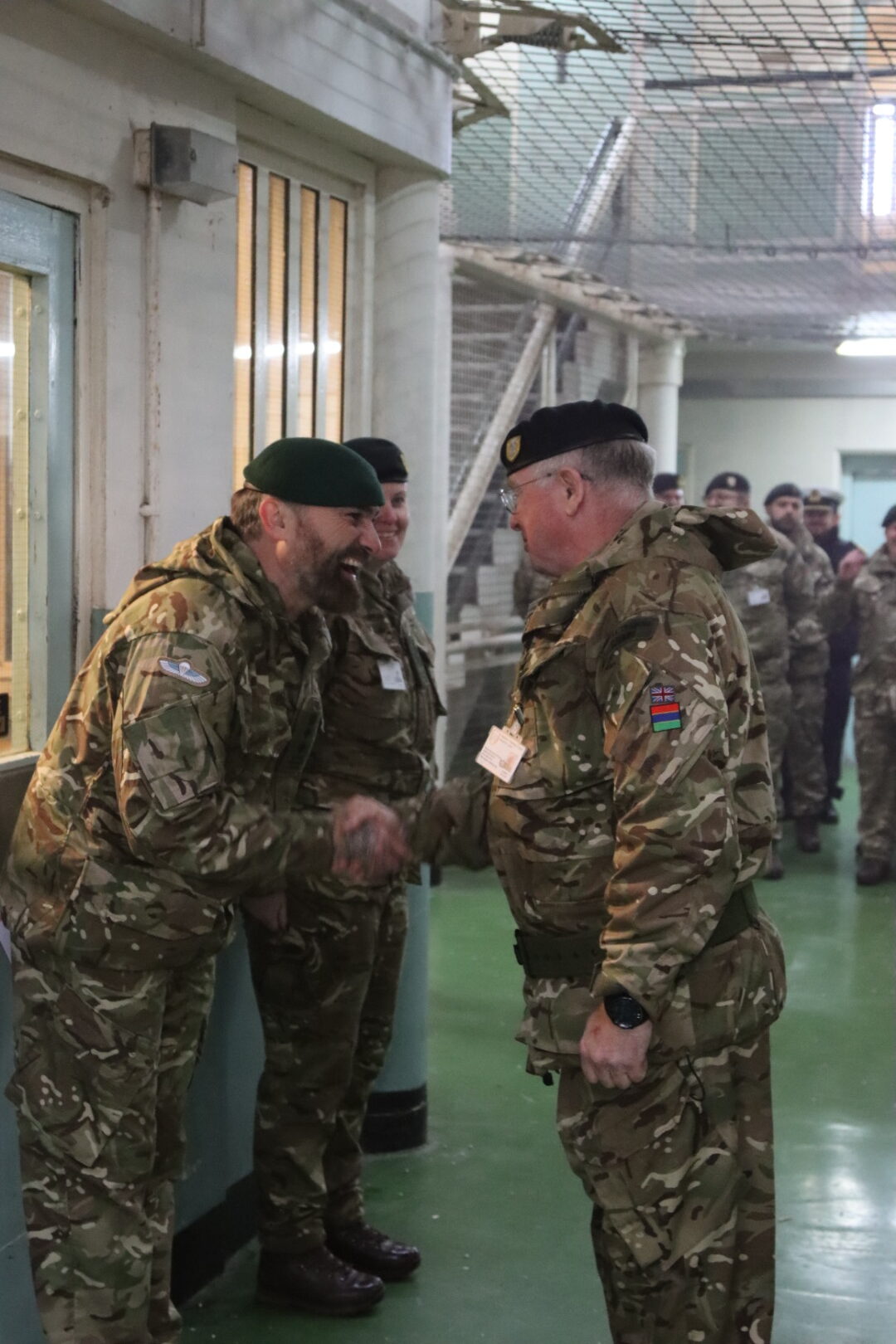
Uniformed Staff
Progression to Uniformed Staff
Uniformed members of staff in the Marine Training Corps have the opportunity to progress as either:
- Instructor (Non-Commissioned Officer – NCO)
- Officer (Leadership and management role)
Moving into a uniformed role is a rewarding step, offering increased responsibility, leadership opportunities, and personal development.
Commitment
Uniformed staff are expected to contribute approximately 12 hours per month, including:
- Regular training nights
- Occasional weekend activities and events
Uniformed staff operate at:
- Unit level
- Area level
- National level
Choosing the Right Path
Both routes into uniform begin with a discussion with your Line Manager or Unit Commander.
This helps to:
- Identify your strengths and interests
- Decide which pathway is most suitable
- Ensure you understand the expectations of each role
Uniformed service is not for everyone, so taking the time to choose the right route is important.
Route to NCO (Instructor)
If you wish to become an NCO:
- Discuss your interest with your Unit Commander
- Submit your application to Headquarters
- Attend an interview with the Area Commander and Area Sergeant Major
- If successful, you will be appointed as an Acting Sergeant
Within 12 months, you will be required to complete an NCO Staff Course to confirm your rank.
Route to Officer
If you wish to become an Officer:
- Progress through the NCO pathway and achieve the rank of Sergeant
- Complete required training and demonstrate leadership capability
- Attend an interview with the Area Commander
- If successful, attend the Internal Officer Training Programme (MTC)
Why Progress to Uniform?
Becoming a uniformed member of staff allows you to:
- Take on greater leadership responsibility
- Play a key role in shaping training and development
- Support the wider organisation at multiple levels
- Continue your personal and professional development
Get Started
If you are interested in progressing into a uniformed role, speak to your Unit Commander to begin the process and explore which pathway is right for you.

Non Uniformed Staff
Becoming a Civilian Assistant (CA)
When you join the Marine Training Corps as a member of staff, you will begin as a Civilian Assistant (CA).
This role allows you to settle into the organisation, gain experience, and explore how you would like to get involved.
Your Role
The Civilian Assistant role is flexible and varied.
You can:
- Support training and activities
- Share skills and experience from your personal or professional life
- Assist with events and camps
- Help cadets develop confidence and new abilities
Your existing skills and interests can make a real difference to the experience of our cadets.
Getting Involved
As a CA, you will be part of the team and fully integrated into the unit.
You’ll have the opportunity to:
- Attend training nights
- Support activities and events
- Get involved in camps and experiences
Some responsibilities, such as leading camps or delivering drill instruction, are typically undertaken by qualified staff — but there are still plenty of ways to contribute.
Flexible Commitment
The CA role is ideal for those who want to be involved but may have limited availability.
- No minimum time commitment
- Attend as often as you are able
- Contribute in a way that suits your schedule
What You’ll Gain
Volunteering as a Civilian Assistant offers:
- A strong sense of achievement
- The opportunity to support young people
- Experience working as part of a team
- The chance to develop new skills
Uniform and Status
Civilian Assistants do not wear uniform.
You will be provided with appropriate MTC clothing, such as a polo shirt, to wear during activities.
Get Involved
Our volunteers consistently say the most rewarding part of the role is seeing young people grow in confidence and achieve their potential.
If you’d like to be part of that, get in touch and come along to see what we do.
Chaplaincy in the MTC
The Marine Training Corps provides chaplaincy support to offer pastoral care and guidance to all cadets and volunteers, regardless of religious belief or background.
We aim to create an environment where individuals feel supported in matters of wellbeing, values, and personal development.
Who Can Apply?
We welcome applications from:
- Ministers, priests, or recognised faith leaders
- Individuals from all faiths and denominations
Where appropriate, chaplains from different faiths may be appointed to ensure the needs of all cadets are supported.
The Role of a Chaplain
As a Chaplain within the MTC, your role is to:
- Provide pastoral care and support to cadets and staff
- Offer guidance on moral, ethical, and spiritual matters
- Act as a trusted and approachable presence within the unit
- Support the overall wellbeing of the organisation
Commitment
The role typically involves:
- Regular contact with your assigned unit
- A visit approximately once per month
- Occasional invitations for cadets to attend services or community events, where appropriate
Why It Matters
Chaplaincy plays an important role in supporting the personal development and wellbeing of young people.
The greatest reward comes from:
- Supporting individuals through challenges
- Helping cadets develop confidence and values
- Making a positive and lasting impact
Get Involved
If you are interested in supporting the Marine Training Corps as a Chaplain, we would be pleased to hear from you.
Get in touch to find out more about how you can contribute.