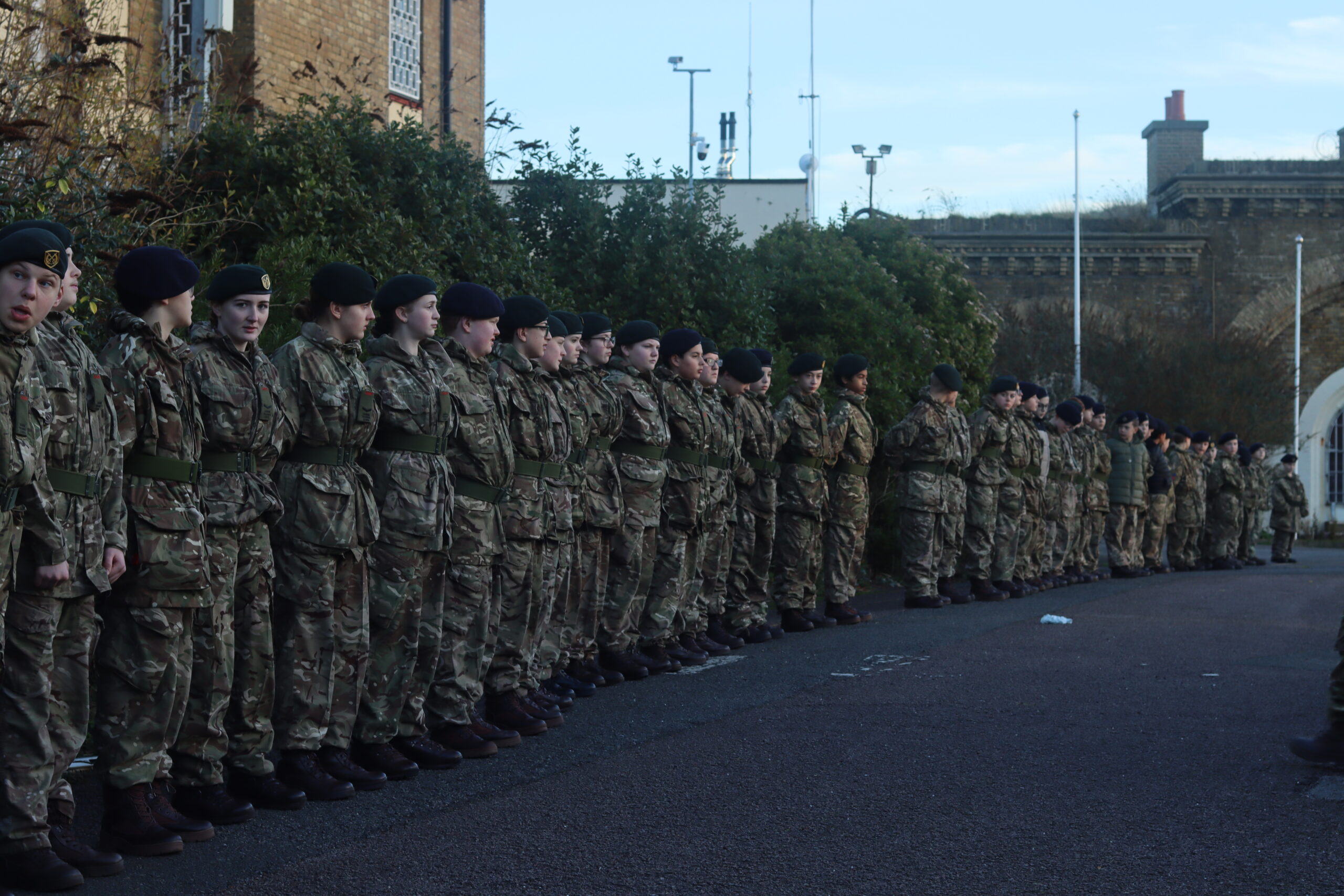
What we do
Some of the activities at the Marine Training CorpsWhat We Do at the Marine Training Corps
At the Marine Training Corps, cadets follow a structured training programme that becomes more challenging as they progress.
As cadets develop their knowledge, skills, and confidence, they move through a series of ranks and star levels, working towards the highest achievement of Master Cadet.
This progression recognises effort, commitment, and personal development, giving cadets clear goals to work towards.
How Training Works
Training is delivered in a variety of ways to keep it engaging, practical, and rewarding.
Cadets take part in:
- Regular training evenings (held twice a week)
- Field days and exercises
- Weekend camps and specialist courses
- Annual Summer Camp
This combination allows cadets to build skills over time and then apply them in more realistic and extended training environments.
Training Evenings
Parade nights are the foundation of the MTC experience.
Held twice a week, these sessions focus on:
- Learning new skills
- Building teamwork and discipline
- Developing confidence and leadership
Each session is structured but varied, ensuring cadets stay engaged while continuing to progress.
Field Days and Weekend Training
Field days and weekend activities allow cadets to take their training further.
These sessions provide:
- More time to develop practical skills
- Opportunities to work as part of a team in real scenarios
- Exposure to outdoor and field-based training
Cadets are encouraged to challenge themselves and apply what they have learned during training evenings.
Camps and Extended Training
Camps are a key part of the MTC experience.
They offer:
- Intensive training in specific areas
- Adventure and outdoor activities
- Opportunities to build independence and resilience
The Annual Summer Camp brings everything together, giving cadets a chance to develop their skills, take part in new experiences, and build lasting friendships.
A Programme That Grows With You
The MTC training programme is designed to develop cadets over time.
As they progress, cadets:
- Take on more responsibility
- Develop leadership skills
- Support and mentor others
- Build confidence and independence
Each stage builds on the last, ensuring continuous personal development.
More Than Just Training
While structure and progression are important, the MTC is also about:
- Having fun
- Building friendships
- Trying new things
- Stepping outside your comfort zone
Every activity is designed to challenge, support, and develop cadets in a positive and rewarding environment.
Start Your Journey
If you’re interested in finding out more, come along to a training night and see what we do for yourself.
You don’t have to join straight away — just come and experience it.
Click the headings below to see what you could be a part of if you’d like to know more about what we do head over to our Contact Page or fill out the application form which can be found on the Join us page
Adventurous training
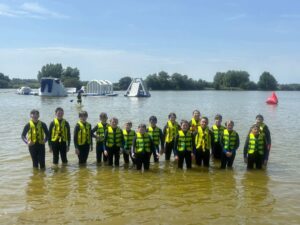
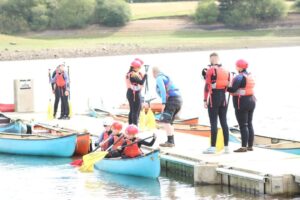

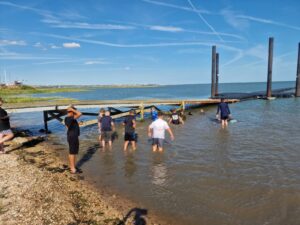
Adventurous Training is an essential part of the Cadet’s training syllabus as well as Volunteers in the MTC and the place where team effort really matters – you’ll build new friendships, and learn to rely on the other people you’re with to get the job done. It also lets you show off your leadership qualities.
Something for everyone
Remember, whatever your personal tastes, nothing is compulsory. There is a wide range of adventurous activities to get stuck into, so if climbing isn’t for you perhaps canoeing is. Sometimes what’s on offer depends on the Unit you attend, but everything you do is supervised by qualified trainers who will ensure you get the most out of it.
Between local activities and visits to camps, you will have the chance to experience kayaking, hill walking, camping, caving, mountain biking, offshore sailing and winter sports to name just a few.
MTC Surveillance and Target Acquisition (STA) Course

Cadets and Volunteers have the opportunity to complete one of the most physically and mentally challenging courses,
the course consists of:
- Physical Endurance, Stamina Navigation Tactics and Patrolling
- Communications Skills
- Advanced Combat Field Firing
Specialist Skills Package week end
a) Specialist OP and Observation Skills
b) Medical Trauma
c) Survival
Advanced Patrolling Skills
Final Surveillance and Reconnaissance Patrolling evaluation
Basic Op Assistant
First aid
Advanced navigation
Close-quarter battle skills
Foreign equipment recognition
Observation post-construction, operation and routine long range communication
Swimming tests Navigation tests
Long-distance marches over arduous terrain carrying heavy loads – Navigation
SERE
3 night Ex
MTC Commando Course


Cadets and Volunteers have the opportunity to complete the course and receive their MTC Commando beret.
To start the course you will be an assessed, you will need to be able to complete :
- 10-mile speed march in the local area
- Bleep test level 8
- 30 push-ups
- 30 sit-ups
- Retrieve a brick from the bottom of the pool
- FA test
- 3 Night field ex
After this you will start the course, the course is not just physically demanding but also mentally demanding.
Weekend 1 will start with a tab over the Brecon Beacons on the Saturday with medical scenarios this is a pass or fail, anyone that fails the course at any point will be RTU and can apply to join the next course.
MTC Jumps Course


Cadets and Volunteers have the option to to complete a NATO jumps course and gain jumps certificates and wings in a number of countries that are a part of NATO.
UK and overseas camps
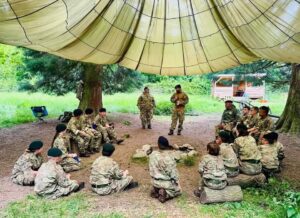
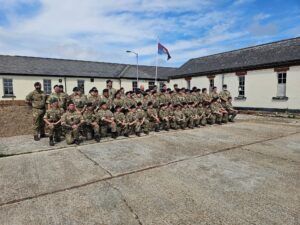
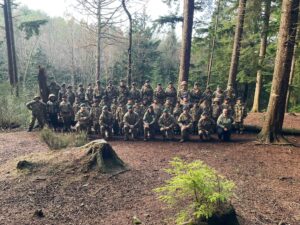
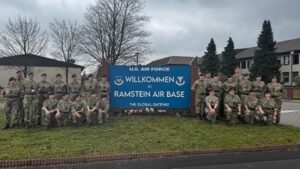
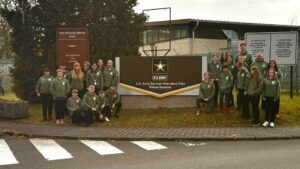
Key Types of Cadet Camps:
- Annual Camp: Normally a week-long residential event bringing together detachments for intensive training and fun activities.
- Adventure Training Camp: Held at centers around the uk or overseas.
- Overseas Camps: Opportunities in Germany, France, Africa, Denmark or Switzerland just to name some for training, cultural visits, and exploring.
- Specialist Camps: Includes National Camps for specialised shooting, leadership camps, Jump courses and flying.
Key Activities & Opportunities:
- Fieldcraft & Tactics: Learning navigation, camping, and military-style skills.
- Adventurous Training: Canoeing, paddle boarding, mountain biking, and rock climbing.
- Qualifications: First aid, shooting, and leadership.
- Building Skills: Developing confidence, discipline, and friendship.
MTC SCUBA DIVING
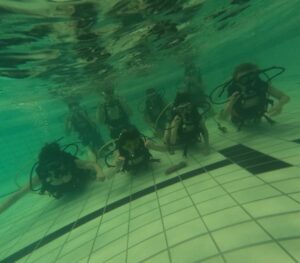
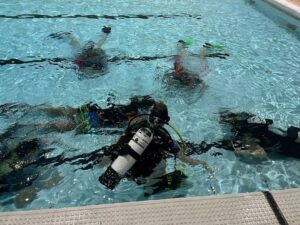
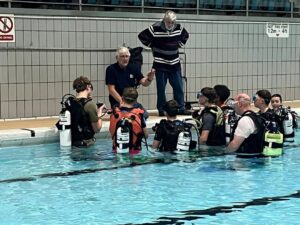
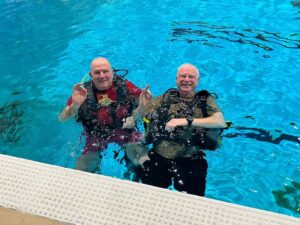
Cadets and Volunteers start in the pool to gaining confidence and learning how to breathe underwater using proper scuba equipment.
Cadets and Volunteers have the opportunity to go on Exercise Malta Splash Down, a 7 day event with both theoretical and practical diving sessions achieving PADI Open Water Diver qualifications in Malta. Exploring the clear waters & marine life, diving historic shipwrecks, offering life-changing underwater experiences and a recognised diving certification at the end.
Beyond the obvious physical challenges, SCUBA can improve blood circulation, concentration, and muscle strength. The underwater environment provides a unique form of stress relief, supporting mental health and well-being. This is because weightlessness offers a sense of freedom, unlike any other experience.
Cadets Driving Course


The Marine Training Corps has the unique opportunity by running a cadet driving course having military and civilian vehicles for cadets and staff to drive and learn vehicle maintenance. Volunteers in the MTC have the opportunity to get involved as well.
Self Defence
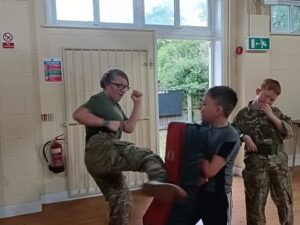
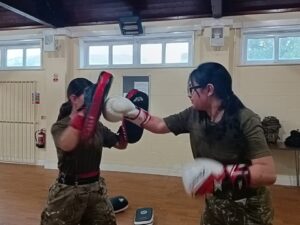

Some MTC units have started to teach Self Defence once a month to Cadets and Staff.
Self Defence can also be part of weekend training so cadets at units that do not have the specialist instructors don’t miss out.
Leadership
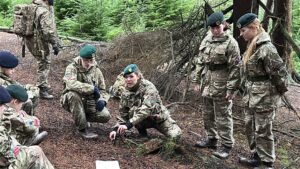
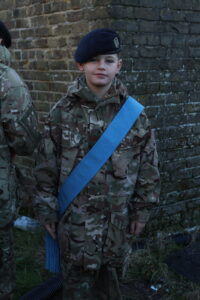
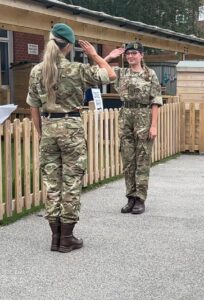

Throughout life, wherever you go and with whoever you interact with, there will be situations when you must step up and take control. It may be an important meeting in your career or it may be a medical emergency you encounter on the street. It could even be when leading a troop of Cadets through an exercise in the field but whatever the situation, having effective leadership skills is vital.
As you become more experienced as a cadet you’ll take on extra responsibilities and have further opportunities to develop your self-confidence and leadership skills.The challenge of teamwork and leadership is the ultimate test for a cadet and could be the greatest achievement of your time with us. If you aspire to be the best, we’ll help you achieve it.
Science, Technology, Engineering, and Maths (S.T.E.M)
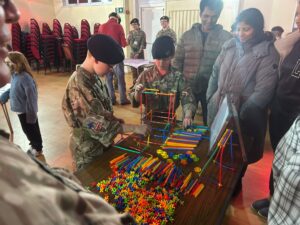
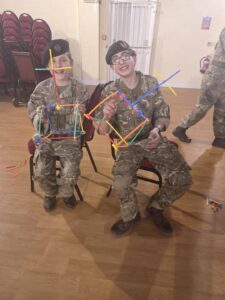
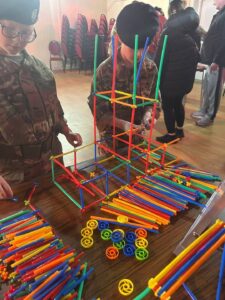
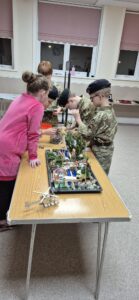

Throughout life, wherever you go and with whoever you interact with, there will be situations when you must step up and take control. It may be an important meeting in your career or it may be a medical emergency you encounter on the street. It could even be when leading a troop of Cadets through an exercise in the field but whatever the situation, having effective leadership skills is vital.
As you become more experienced as a cadet you’ll take on extra responsibilities and have further opportunities to develop your self-confidence and leadership skills. The challenge of teamwork and leadership is the ultimate test for a cadet and could be the greatest achievement of your time with us. If you aspire to be the best, we’ll help you achieve it.
Shooting
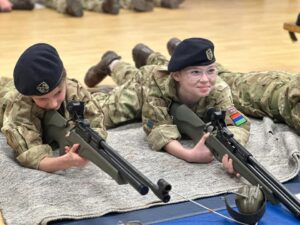


Whatever level you are as a cadet or Volunteer, you’ll have the opportunity to try your hand at military skills and drills including shooting.
One of the most exciting activities you’ll get to do as a Cadet is shooting. It is the main activity that differentiates the MTC from most other youth organisations as we have a much wider scale of weapon systems to train with. Learning about shooting will teach you a number of key skills, the most important of which are discipline and safety awareness. It also brings with it a great sense of achievement.
As a cadet, you will learn to shoot accurately using a range of Rifles, Pistols (single shot, semi-automatic), Shotguns and other weapon systems but you will not be allowed to shoot any rifle until you have demonstrated a full understanding of the use of the rifle and the vital safety procedures.
Marksmanship goes a long way back in the history of Cadets and is one of our most popular activities. Think you can concentrate on distant targets and fire with consistent accuracy? It’s not easy. It requires focus, concentration and a very steady hand.
We’ll teach you to handle a variety of weapons safely. Basic firing is always done lying on your stomach (the prone position) at static targets. Progress through the syllabus and you’ll experience different types of weapons, and firing positions and could even take part in shooting competitions if you really prove your skills.
Ranges come in different shapes and sizes but all are in controlled conditions with full training on any weapon that you handle – safety is our top priority. To start with you’ll be firing at targets that are fairly close – around 25m away. As you advance through weapons and your skill builds, you will fire at targets 100m or more away.
Skill at Arms


This is another great subject that will teach you self-discipline as you learn how to handle weapons in a safe and responsible manner. You will start at a basic level using air rifles, Airsoft and paintball rifles.
All handling and use of weapons or ammunition in the MTC is directly supervised by adult instructors who have received in-depth training.
We use a variety of weapons as part of this training where you will learn a number of disciplines, including target shooting, rifle drill, shooting on rifle ranges, shooting clays and the practical use and care of rifles whilst on fieldcraft exercises.
All aspects of safety both to yourself and others will be taught first before you are allowed to handle a weapon. You will also have to pass a weapons handling test which shows that you have the skills and knowledge to safely handle a weapon.
Sports

Feeling competitive?
As an MTC cadet you can take part in sports at different levels, Whatever you do it will help improve your physical fitness levels and your team skills. If you’re good enough at your favourite sport we’ll notice, and can help you take it to the next level.
There are frequent tournaments between Units taking part and other groups, where the best players are selected to represent the MTC.
Work hard, play hard
Mixing work and play is at the heart of being in the MTC. Getting stuck into sport is fun, and you’ll build friendships and learn how to use your strengths to best effect a team. And it doesn’t stop at the sports we’ve mentioned.
Most Units runs loads of different sport activities. You’ll be playing for fun but we’ll encourage you to unleash your competitive side. Don’t worry if you don’t think sport is your strength. You don’t have to be the next Olympic star, just take the opportunities and enjoy yourself!
Parade and drill


Drill is the term used to describe a formal parade where you are able to move quickly in formation from one place to another. This may sound easy but when there is more than one person, marching, turning and saluting at the same time can be pretty difficult to master.
What’s the point of drill and parade? You may think it doesn’t have much to do with things like adventurous training, or leadership. That’s not the case at all! It shows how disciplined and organised you can be as an individual, remembering instructions and carrying them out accurately. More importantly, it shows your ability to work in a team and is a way of displaying the high standards of dress and behaviour which MTC cadets are renowned for.
You will learn how to march and be part of a team. This important subject allows you to gain a better understanding of how you fit in and operate as part of a team. It is also excellent for teaching self-discipline and for developing a sense of pride.
You will learn how to form into a squad, then progress to turning and saluting at a halt. Once you have mastered these moves separately we put them all together, marching, moving, turning and saluting on the march.
Turnout is the term used to describe how to wear your uniform and personal equipment correctly. Your appearance is an important part of being a MTC cadet. We will teach you about each part of your uniform and how to take care of it, ensuring smartness at all times.
It will be your responsibility to always look smart and tidy when in uniform.
As a cadet, you’ll participate in various forms of drill, such as:
- Foot Drill
- Basic Drill (both quick & slow time)
- Banner Drill
- Band Drill
With a few years of experience, and if you’ve attained a Non-Commissioned Officer rank, you could pass on your knowledge and experience to other cadets, instructing them on how to participate in a drill squad, taking charge of a drill squad yourself, or even playing a major part in the ceremonial drill. Being a Standard Bearer at a Remembrance Day parade is a real moment of pride and achievement for a cadet.
team-building / Teamwork



It is important for cadets to participate in team-building activities, including trust games, as it may improve their
leadership abilities in a peer setting by allowing cadets to practice communication skills and positive group
dynamics. Trust in others and trust in the leader are key leadership attributes and they may assist cadets in leading in
a peer setting. When members of a team trust each other, accomplishing any task is usually easier. If cadets
cultivate trust and protect the trust that others offer and share, cadets may increase the confidence others have
in them and this should increase their own self-confidence.
Team building exercises we do:
Paintball
Air Soft
Escape Room days
Capture the Flag
Scavenger Hunting
Leadership Tasks
Days out
Music

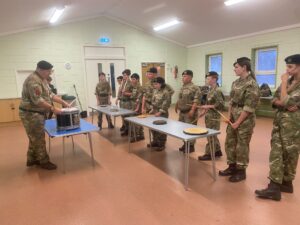
Whatever your standard or choice of instrument, you are welcome to join.
Getting involved in music is a great way of socialising and of promoting the MTC wherever you play to the public.
- Musician Badges are Awarded on the basis of musical ability
Eligibility
Play an instrument to the required standard. This can include singing or being a member of a choir.
There are 3 ways to qualify for a Musician Badge:- Pass a recognised music board examination at grade 3 (practical)
- Provide an expert witness testimony (for example a school music teacher) to state that an instrument can be played to grade 3 standard
- Assessment by a competent person to state that music ability has been demonstrate
Fieldcraft


Fieldcraft is one of the most popular cadet activities. Fieldcraft and Military Knowledge are unique to the MTC as we have instructors for all 3 armed services.
You will start by learning the basics of personal camouflage and how to move as an individual in the field, then go on to learn how to work together as a section in the field, before eventually commanding your own section.
Working as a team to patrol an area at night and deal with a mock ambush situation is one of the most exciting exercises you will experience.
Fieldcraft is taught throughout the year but during annual camp you will get to live out in the field over a number of days. Working as a team to patrol an area at night and deal with a mock ambush is one of the most exciting exercises that you’ll experience during your cadet training.
Teamwork and communication are both skills developed in fieldcraft exercises that are readily transferable to everyday life.
Cadets and the Community


Learn how you form part of a much bigger picture in your community
The Marine Training Corps plays an active role in the local community. A major part of the training for any cadet is citizenship training and the topic forms part of the MTC Cadets syllabus. Through participating in community projects you will build an understanding of how community functions and the difference you can make now or in the future.
At the very basic level, it may involve your attendance at the annual Festival of Remembrance Parade in your town or village.
As you gain more experience and move through the progressive training syllabus you move on to bigger and better projects which may involve helping to rebuild a local children’s play area, clearing rubbish from riverbanks or planting trees and visiting elderly residents in rest homes to give them company.
First Aid


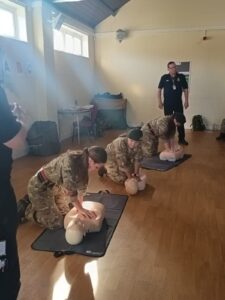
First Aid is offered to all adults and cadets within Marine Training Corps.
We require all of our adult Volunteers to undertake First Aid qualifications to ensure that there is suitable First Aid provision in place for all the activities we carry out. In addition, all cadets receive training in lifesaving first aid skills to enable them to cope in the event of an accident or incident.
Our qualifications are split into youth and adult qualifications. It is part of the cadet’s core syllabus that they will all undertake progressive training which eventually leads to a St. John Youth First Aid qualification.
As we aim to set our cadets up for lifelong success, once they finish the youth programme, our cadets have the option to undertake an adult First Aid in workplace qualification, which is the same qualification offered to all our Cadet Adult Volunteers.
Junior NCO Cadet Instructors Cadre (JCIC) Lcpl-Cpl
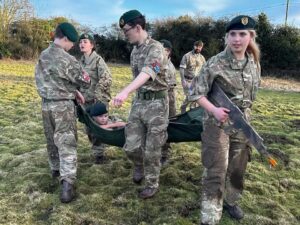
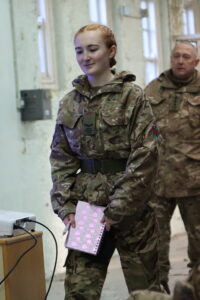
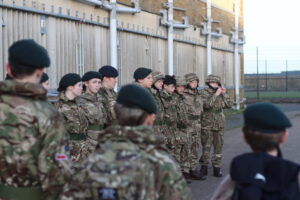
The Junior NCO Cadet Instructor Cadre (JCIC) is an integral part of Red Star training and all cadets at this level take the course. It is designed to teach the cadets how to instruct new entrants and Red Star cadets in Drill and Turnout and military knowledge, navigation, skill-at-arms and fieldcraft.
The JCIC has two purposes. Firstly it initiates the senior cadet into the techniques of instruction; and secondly, it assesses the cadet’s ability as a potential instructor, with particular reference to his or her possible selection to undertake the Senior Cadet Instructors Cadre at Green Star level.
Senior NCO Cadet Instructors Cadre (SCIC) Sgt +
The Senior NCO Cadet Instructor Cadre (SCIC) is a Green Star optional subject designed to increase your knowledge of the techniques of instruction, first introduced on the Junior Cadet Instructor Cadre (JCIC) and give you an early experience of the art of leadership.
To qualify for the SCIC you must have sound knowledge of all subjects up to and including Red Star level and you must have proved, by your performance on the Junior Cadet Instructor Cadre, that you are a potential instructor.
You will learn how to instruct up to and including Green Star standard cadets in drill, turnout and military knowledge; skill-at-arms; fieldcraft; and navigation.
Navigation


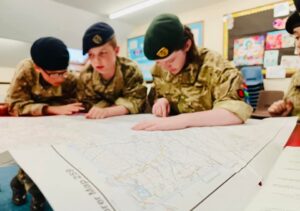
Teaches a range of practical skills that are useful in everyday life.
You know how to navigate to your local shops or friends house but what happens when you’re in the middle of nowhere? This valuable skill will teach you how to read a map and use a compass for navigation.
Starting with the very basics of understanding how a phone box is represented on a map all the way up to back-bearings and resections. This is an essential skill for when you’re out in the field. These skills are also very useful if you want to do orienteering or take part in The Duke of Edinburgh’s Award.
Military Knowledge
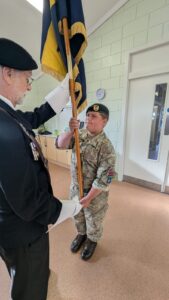

Learning about how the military functions and the role it has played in world history are an important part of your cadet training.
In this topic, you will learn about the customs and traditions of the British Army, Royal Navy and Royal Air Force. You will also gain an understanding of the structure of the services as well as learn about the UK rank structure.
There may even be the opportunity for you to expand your military knowledge by going on a battlefield tour in Europe, annual camp and visits to military areas.
RYA Level 2 Powerboat


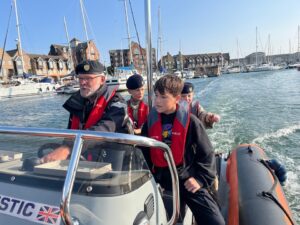
Level 2 will give you the skills and background knowledge needed by the competent powerboat driver and is the basis of the International Certificate of Competence. The course aims to teach boat handling and seamanship in powerboats. It focuses on low speed close quarters handling, man overboard recovery, an introduction to driving at planing speed, and collision regulations. The course can be taken at an inland or coastal location. It may be conducted in a variety of boat types, both planing and displacement. The certificate issued will be endorsed to show the type of boat in which the training took place.
Communications & Information Systems

One skill that is vital to whatever you do in life is the ability to communicate clearly, confidently and effectively, and that is what is at the heart of signals training in the MTC. It’s a topic that is growing more popular by the year and involves learning how to use some pretty impressive kit.
There are also further courses and training at higher levels where you can gain experience of other systems such as the Army Bowman tactical communications system.
Seamanship


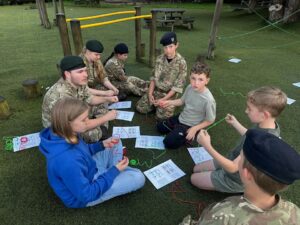
Basic Seamanship – The programme contains:
Bends & hitches for all compulsory elements
Safety and Distress at sea
General Rigging
General Ropework
Chartwork – Paper / GPS / Electronic
Tides
Buoys
Lights and Daymarks
Sound Signals
Rule of the Road
Steering Rules
Passage Planning
Parts of a Ship
Expeditions


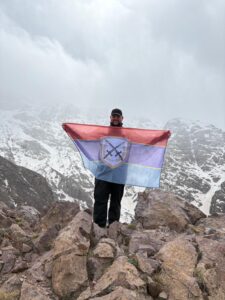
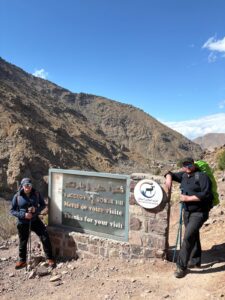
Unforgettable experiences and life-changing challenges where you will learn as much about yourself as you do others.
Expeditions are a central part of MTC life, so you could find yourself spending a few nights camping in a national park here in the UK or on an ambitious trek through the Himalayas. Every year many expeditions are planned at Unit and national levels.
You’ll start off with some training on how to prepare clothing and equipment. You’ll learn how to safely carry a load and identify a suitable route as well as what makes an ideal campsite. In addition, you will be taught how to pitch a tent and cook a meal on a camping stove.
Your first expedition will probably be close to home, but as you progress through the syllabus you’ll venture further afield, and possibly even overseas.
Catering
Cadet Aviation Proficiency & Flying
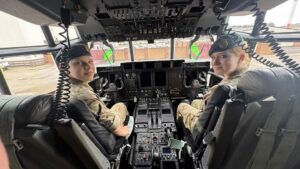
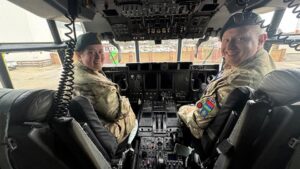

The Aviation Training Package have been designed to introduce cadets to the aviation environment and build confidence in the air.
ATP introduces cadets to aeronautical concepts including the primary and further effects of controls, lift
vectors and airfield procedures . There are 4 elements to the Basic Aviation Training Package:
- Cadet Aviation Familiarisation Course (FAM)
- Ground school
- Part Task Trainer (PTT)
- Airborne sortie(s) at an Air Experience Flight (AEF)
Following on from the basic ATP, there are 3 elements to this training to further develop cadets aviation knowledge:
- Ground school elements will revise primary effects of control and introduce attitude maintenance and selection and cockpit drills
- PTT training will focus on trimming, normal approach and circuit, undershooting and overshooting approaches
- Airborne sorties at an AEF will demonstrate FRC drills, datum attitude and stability, medium turns and the approach and landing.
It’s our aim to get you airborne as often as possible, as a passenger in a light aircraft, a glider or on-board Service aircraft.
Cadets Flight Navigation Training
The CFNT provides 5 hours of flying training at an Air Experience Flight (AEF) There are 2 elements to this
training:
- Experience aspects of applied flying
- Experience aspects of applied navigation
IDEA Award


The Inspiring Digital Enterprise Award, known as iDEA is an
international award winning programme that helps you develop digital, enterprise and
employability skills. Through a series of online challenges, you can win career-
enhancing badges, unlock new opportunities and, ultimately, gain industry-recognised
Awards that help you stand out from the crowd. All this can be done at your own speed and
at a time you wish!
Duke of Edinburgh’s Award

Pre-Duke of Edinburgh’s Award Cadets aged 10-14
There are 4 Sections to complete.
Volunteering Section Attend 75% of training nights over a 3 month period and participate in a fund raising, charitable or community event / project.
Skill Section Complete 1 of the following: Map Reading. Basic Radio Communications.Play an instrument to the required standard
Physical Section Select the approved physical tests and show improvement over a 3 month period.
Expedition Section Complete blue star Cadet Initial Expedition Training.
Duke of Edinburgh’s Bronze Award
| Description Complete all 4 sections with a further 3 months in either the Volunteering, Physical or Skills section. | |||
| Volunteering | Skills | Physical | Expedition |
| 3 months | 3 months | 3 months | 2 days / 1 night |
| Eligibility Minimum age of 14 years | |||
Duke of Edinburgh’s Silver Award
| Description Complete all 4 sections. For Direct Entrants a further 6 months must be completed in either the Volunteering or the longer of the Physical or Skill section | |||
| Volunteering | Skills | Physical | Expedition |
| 3 months | One for 6 months and the other for 3 months | 3 days / 2 night | |
| Eligibility Minimum age of 15 years | |||
Duke of Edinburgh’s Gold Award
| Description Complete all 4 sections. For Direct Entrants a further 6 months must be completed in either the Volunteering or the longer of the Physical or Skill section | |||
| Volunteering | Skills | Physical | Expedition |
| 12 months | One for 12 months and the other for 6 months | 4 days / 3 nights | |
|
Residential Undertake a shared activity in a residential setting away from home for 5 days and 4 nights Eligibility Minimum age of 16 years |
|||
Employability Skills Workshops
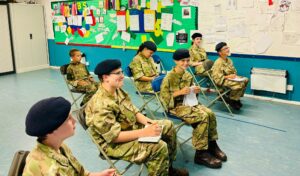
The Employability Skills Workshop helps to develop Cadets important employability skills and improve awareness of, and access to, the opportunities available to young people post-GCSE by introducing them directly to colleges and employer networks.
skills including:
- Creating a good CV
- Interview skills
- Personal skills assessments
- Networking abilities
- Understanding what employers are looking for.
The training, mentoring, advice and guidance offered on the workshops allows participants to realise, develop and articulate their full potential to prospective employers helping improve their chances when applying for employment and apprenticeships.
qualifications


We offer a range of qualifications to suit all ages and abilities. BTEC’s from the MTC can go on your UCAS Forms
Cadets can enrol on a BTEC Level 1 after completing blue star training, progressing to a BTEC Level 2 in Teamwork and Personal Development in the Community.
BTEC’s from the MTC can go on your UCAS Forms
Qualsafe Level 3 Award in First Aid at Work (RQF)
RYA Level 2 Powerboat Handling
RYA Marine Radio (SRC)
RYA Essential Navigation and Seamanship
RYA Day Skipper
Staff Cadets (18+) and Volunteers can enrol on:
Level 3 Award in Education and Training
Qualsafe Level 3 Award in First Aid at Work (RQF)
Qualsafe Level 3 Award in First Response Emergency Care (RQF)
ILM Level 3 Award in Leadership and Management
RYA Level 2 Powerboat Handling
RYA Marine Radio (SRC)
RYA Essential Navigation and Seamanship
RYA Day Skipper
Volunteers (21+) can enrol on
City & Guilds Affiliateship (Level 5) Professional Recognition Award
City & Guilds Graduateship (Level 6) Professional Recognition Award
The cadet syllabus is designed to be progressive so that cadets can build upon the foundation of previous star levels and advance at their own speed through their time in the MTC. Additionally, the syllabus offers an elective element, giving cadets the freedom to choose the path that best suits their interests.
All training provided to cadets must be aligned with pertinent to their needs. Although the relevance of certain lessons may not be immediately apparent, they can still provide valuable experiences to cadets. For example, the reason cadets learn a section attack is not to prepare for an actual attack, but to develop teamwork, communication, leadership, and physical fitness skills.
The syllabus is designed for progression in the timeline shown below; this timeline is approximate, and no rigid timescales are imposed on a cadet:
- Basic Training. 6 – 8 months.
- RED. A further 18 – 24 months.
- GREEN. A further 12 – 15 months.
- GOLD. A further 12 -15 months.
- MASTER. A further 8 – 10 months.
join as a cadet (9-17)
• Complete the electronic form (in full please).
• We will acknowledge receipt of the application.
• We will invite the applicant to join us by attending an Induction Night
FEES
Our joining fee is just £45 (payable within the first two weeks of joining).
Our weekly subs fee works out less then £6.40 per week.
UNIFORM
We provide most of the uniform but you are responsible for their uniform, which is valued at around £100 and is issued on loan. It should only be used for MTC activities and must be returned at the end of their time with us.
Footwear is not included, boots will need to be provided at your own cost.
join as a Volunteer (18+)
Too old to be a cadet?
Being over 18 doesn’t mean missing out on MTC activities. You can apply to join as an Adult Volunteer or Staff Cadet and enjoy all the activities while also picking up the kind of teamwork and leadership abilities employers and universities are looking for.
Further Information
Please get in touch with your nearest MTC unit for further information and details about Recruit Induction dates.
What dose joining as a volunteer look like?:
Potential Instructor
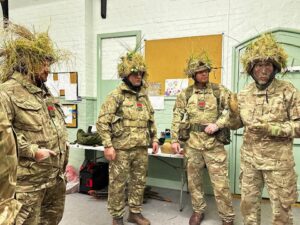
It is a temporary rank, held while the volunteer completes their mandatory training and after background checks.
The (PI) Staff Weekend 1 is designed to introduce participants to the fundamentals of volunteering, beginning with introductions and ice-breakers followed by an overview of the weekend’s structure. It includes sessions on values and standards, duty of care, and an introduction to roles, responsibilities, guidelines, and safety. Participants will also learn about course structures and adult instructor progression, as well as how to work with cadets and the range of activities involved. Key topics such as safety, risk management, dealing with problems, and safeguarding are covered through presentations. Practical elements include introductions to cadet activities such as turnout and drill, field administration, shelters, cooking in the field, and shooting. The weekend also involves practical leadership tasks (PLTs), individual presentations, group discussions, and concludes with Commandant’s interviews.
The (PI) Staff Weekend 2 builds on this foundation, again starting with introductions and an outline of the weekend. It focuses more on practical and leadership skills, including unit administration and how to run a unit effectively. Participants will complete a Blue Star test, deliver 15–20 minute lessons, and undertake a drill test. The weekend also includes basic first aid at work training and culminates in a promotion parade from PI to Sergeant under training, marking progression within the program.
Sergeant under training
It is a temporary rank, held while the volunteer completes their second part of mandatory training.
Sergeant
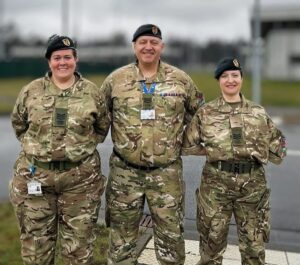
The role of a Sergeant (SGT) within the Marine Training Corps is that of a volunteer who supports the Unit Leader in delivering safe, structured, and high-quality training while ensuring the effective day-to-day running of the unit. As a key figure within the leadership team, the Sergeant is responsible for supervising cadets, maintaining discipline, and upholding the highest standards of conduct, professionalism, and safety. They act as a role model for both cadets and junior volunteers, promoting positive behaviour, teamwork, and respect, while also contributing to a supportive and inclusive training environment.
In carrying out their duties, the Sergeant assists with planning and delivering training sessions, leading small groups, and supporting assessments, drills, and practical activities in line with the organisation’s curriculum. They ensure that all training is conducted safely, with appropriate preparation of equipment and adherence to safeguarding and health and safety procedures. A key part of the role involves supporting cadet welfare, responding appropriately to concerns, and reinforcing organisational values and expectations at all times.
The Sergeant also works closely with other volunteers, contributing to teamwork, assisting with administrative tasks, and supporting the development of newer volunteers through guidance and example. While they have delegated authority to supervise cadets, lead activities, and enforce standards, they operate under the direction of the Unit Leader and do not make independent high-level operational or disciplinary decisions.
To be effective in the role, a Sergeant must demonstrate strong communication and interpersonal skills, the ability to motivate and manage young people, sound knowledge of safeguarding principles, and a professional, calm, and consistent approach to leadership. The role requires regular commitment to weekly training sessions, as well as participation in additional activities and events.
Ultimately, the Sergeant plays a vital role in maintaining the structure, discipline, and quality of training within the unit. Their leadership directly impacts cadet development, volunteer cohesion, and the overall success of the organisation. In return, they can expect clear guidance, structured training, ongoing support, and opportunities for development, all within a positive and inclusive environment that values their contribution and upholds strong safeguarding and equality principles.
Staff Sergeant
The Staff Sergeant (SSGT) is a senior non-commissioned volunteer within the Marine Training Corps who plays a key role in supporting the Unit Leader and Training Officer in delivering safe, structured, and high-quality training. As a senior figure within the unit, the Staff Sergeant provides leadership to cadets and junior volunteers, upholds discipline and standards, and ensures that organisational values, safeguarding requirements, and professional conduct are consistently maintained. Acting as a role model, the SSGT promotes a positive, inclusive, and well-disciplined environment that supports both cadet development and effective teamwork among volunteers.
In this role, the Staff Sergeant assists in planning and delivering training in line with the organisational curriculum, leading drills, practical activities, and small-group instruction. They support assessments and progression activities while ensuring all training is conducted safely, with appropriate preparation of equipment and adherence to health and safety procedures. A significant part of the role involves supervising cadets, encouraging positive behaviour, and providing mentoring and guidance to support their confidence, skills, and overall development.
The Staff Sergeant also works closely with other volunteers, contributing to coordination, administration, and the smooth running of unit activities and events. They support newer volunteers through informal guidance and by modelling good practice, helping to build a strong and supportive team environment. While they have delegated authority to supervise cadets, lead activities, and reinforce standards, they operate under the direction of senior leadership and do not make independent high-level operational or disciplinary decisions.
To be effective, a Staff Sergeant must demonstrate strong communication and interpersonal skills, the ability to motivate and manage young people, a sound understanding of safeguarding and youth work principles, and a professional, calm, and consistent leadership style. The role requires regular commitment to weekly sessions and additional activities, reflecting its importance within the unit. Overall, the Staff Sergeant plays a vital role in maintaining discipline, structure, and high standards of training, directly contributing to cadet development, volunteer effectiveness, and the overall success and professionalism of the organisation.
Sergeant Majors in the MTC
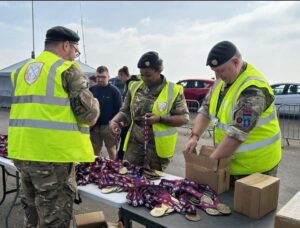
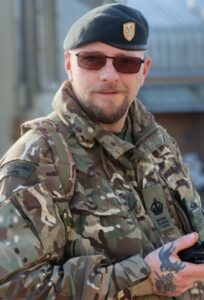
Sergeant Major 3rd Class (SM3)
The Sergeant Major 3rd Class (SM3) is a senior non-commissioned volunteer who plays a key role in supporting the Unit Leader and Area Training Officer in maintaining discipline, delivering high-quality training, and ensuring the effective day-to-day running of the unit. Acting as a senior role model, the SM3 upholds high standards of conduct, professionalism, and behaviour while providing leadership to cadets and guidance to junior volunteers. The role involves assisting in the planning and delivery of training, leading practical activities such as drill and fieldcraft, and ensuring that all training is conducted safely and in line with organisational standards. The SM3 is also responsible for mentoring cadets, supporting their development and welfare, and promoting teamwork, engagement, and progression. In addition, they contribute to volunteer coordination, administrative support, and the overall structure and consistency of the unit. With delegated authority to supervise activities and reinforce standards, the SM3 operates under the direction of senior leadership and plays a vital role in maintaining discipline, supporting training quality, and contributing to the overall professionalism and success of the unit.
Sergeant Major 2nd Class (SM2)
The Sergeant Major 2nd Class (SM2) is a senior area-level non-commissioned volunteer responsible for supporting the Area Officer and Area Training Officer in maintaining discipline, training standards, and operational consistency across multiple units. This role provides leadership to both volunteers and cadets, ensuring that all units operate safely, professionally, and in line with organisational expectations. Acting as a senior role model, the SM2 reinforces standards of conduct, supports the delivery and oversight of area-level training, and contributes to the development of NCOs, junior volunteers, and cadet leaders. The role includes mentoring staff, assisting with planning and delivering training events, conducting unit visits, and supporting area activities such as parades and competitions. The SM2 also plays an important part in monitoring unit performance, promoting collaboration between units, and ensuring compliance with safeguarding, welfare, and health and safety requirements. Operating under the direction of area leadership, the SM2 has delegated authority to lead activities and reinforce standards, making a significant contribution to the effectiveness, consistency, and professionalism of the organisation across the area.
Sergeant Major 1st Class (SM1)
The Sergeant Major 1st Class (SM1) is the most senior non-commissioned volunteer within the region and holds a critical leadership role in maintaining discipline, training standards, and operational excellence across all units. Working closely with the Regional Officer, Regional Training Officer, and Area leadership teams, the SM1 ensures consistency in standards, safeguarding, and training delivery throughout the region. As the senior role model for all NCOs, volunteers, and cadet leaders, the SM1 promotes professionalism, structure, and excellence at every level. The role involves overseeing and supporting regional training activities, mentoring and developing NCOs and volunteers, and contributing to strategic planning, inspections, and major events. The SM1 also conducts visits across areas to monitor performance, support morale, and identify opportunities for improvement, while ensuring compliance with all safety and safeguarding requirements. With delegated authority to lead and supervise regional activities under the direction of senior leadership, the SM1 plays a vital role in shaping the effectiveness, cohesion, and reputation of the organisation at a regional level.
MTC Officer Development Programme
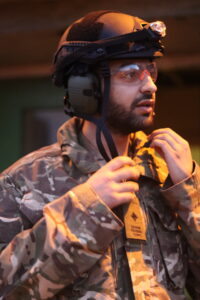
The MTC Officer Development Programme is designed to develop individuals into effective managers / MTC officers who can provide leadership, vision, and direction while maintaining standards and acting as ambassadors for the Corps. Officers are expected to demonstrate key qualities such as leadership, effective intelligence, organisational and management skills, strong interpersonal abilities, personal integrity, and in-depth Corps knowledge, alongside clear commitment and potential for progression. The programme is delivered in three phases. Phase 1 is conducted at area level and focuses on assessing candidates’ leadership, motivation, personal qualities, Corps knowledge, and overall suitability through activities such as presentations, leadership tasks, written exercises, interviews, and discussions. Candidates are graded and may pass, receive a deferred pass, or be unsuccessful. Phase 2 is the national Officer Selection Board, where candidates undergo a series of more advanced assessments including presentations, problem-solving exercises, communication tasks, and a formal interview, all designed to evaluate their overall capability to become officers; successful candidates are promoted to acting rank. Phase 3 is a 12-month development period where newly appointed acting officers are assigned a mentor and follow a personalised development plan, gaining experience in leadership roles, organising events, and developing their skills further. This mentoring phase supports their transition into full officer responsibilities, with the aim of confirming them in rank upon successful completion, ensuring they are fully prepared to lead and contribute effectively within the MTC.
Training Officer
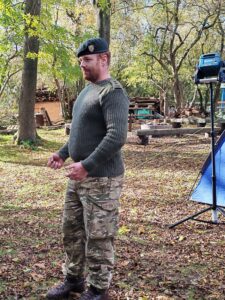
The Training Officer (TO) is normally the first role you will be given after completing the Officer Development Programme and is responsible for coordinating, supporting, and delivering high-quality training within their designated area, ensuring that all activities are safe, engaging, and aligned with the organisation’s curriculum, safeguarding requirements, and core values. Working closely with the Executive Training Officer, wider training teams, and local leadership, the Training Officer plays a key role in maintaining consistency, improving standards, and enhancing the overall training experience for both cadets and volunteers. As a central figure in training delivery, they ensure sessions are well-planned, structured, and adapted to meet the needs of different learners, while promoting an inclusive and positive learning environment.
In this role, the Training Officer plans and delivers training in line with approved syllabi, supports instructors with guidance and resources, and encourages best practice across the training team. They are also responsible for ensuring all activities comply with safeguarding policies, risk assessments, and health and safety requirements, maintaining a safe and supportive environment at all times. Monitoring and improving training quality is a key aspect of the role, involving reviewing delivery standards, assessing outcomes, and contributing to the development and refinement of training programmes.
The Training Officer also plays an important role in communication and administration, maintaining accurate training records, sharing updates and resources, and working collaboratively with unit leaders, instructors, and specialist teams. While they have delegated authority to plan and deliver training and provide guidance to others, they operate within organisational policies and do not independently alter curriculum content or override safeguarding decisions.
To be effective, the Training Officer must demonstrate strong organisational and communication skills, experience or confidence in delivering training, and a solid understanding of safeguarding and youth development principles. They should be adaptable, professional, and committed to continuous improvement through ongoing development. Overall, the Training Officer has a significant impact on the quality and consistency of training, directly contributing to cadet development, confidence, and the overall success and professionalism of the organisation.
Unit Leader
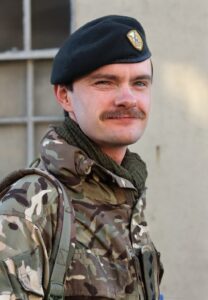
The Unit Leader is the senior volunteer responsible for the overall leadership, management, and safe operation of a MTC unit. This role ensures that all activities are well-planned, inclusive, and delivered in line with organisational values, safeguarding policies, and national standards. The Unit Leader provides guidance and direction to volunteers, supports cadet development, and maintains high standards of conduct, professionalism, and operational effectiveness. They oversee training delivery, administration, resource management, and cadet welfare while representing the unit within the community and the wider organisation. By providing strong leadership, mentoring volunteers, and ensuring compliance with safety and safeguarding requirements, the Unit Leader plays a pivotal role in shaping a positive, safe, and enriching experience for all cadets and volunteers under their care.
Area roles
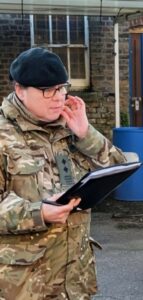
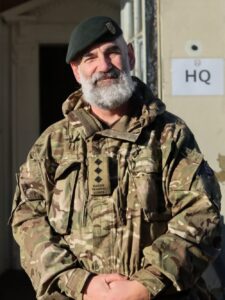
The main area roles around the MTC are:
Area Training Officer (ATO)
The Area Training Officer (ATO) is a senior volunteer responsible for overseeing the coordination, quality, and consistency of training across multiple units within a designated area. Working closely with the Area Officer, Unit Leaders, and Training Officers, the ATO ensures that all training is safe, structured, and aligned with the organisation’s curriculum, safeguarding requirements, and core values. The role involves planning and supporting area-level training activities, monitoring standards, and providing guidance and resources to instructors and volunteers to maintain high-quality delivery. The ATO also plays a key role in identifying training needs, supporting volunteer development, and contributing to the continuous improvement of training programmes. In addition, they ensure compliance with health and safety, safeguarding, and risk management procedures, while maintaining effective communication between units and senior leadership. With delegated authority to oversee and support training delivery within their remit, the ATO operates under the direction of the Area Officer and is instrumental in ensuring consistency, capability, and professionalism across all units within the area.
Area Officer (AO)
The Area Officer (AO) is responsible for providing strategic oversight, leadership, and operational support to cadet units within a defined geographical area, ensuring that organisational standards, safeguarding requirements, and training quality are consistently maintained. Acting as the key link between unit-level leadership and senior management, the AO provides guidance and direction to Unit Leaders and volunteers, promoting professionalism, accountability, and a strong organisational culture. The role includes monitoring compliance, conducting unit visits, supporting the development of volunteers, and ensuring that training programmes are delivered safely and effectively. The AO also plays a vital role in communication and reporting, sharing organisational updates, identifying risks, and supporting collaboration between units. Additionally, they contribute to recruitment, retention, and community engagement, helping to strengthen the organisation’s presence and sustainability. With delegated authority to provide operational guidance and escalate concerns, the AO operates within the wider leadership structure and plays a critical role in ensuring a safe, high-quality cadet experience while supporting the long-term success and reputation of the organisation.
Regional & National Roles
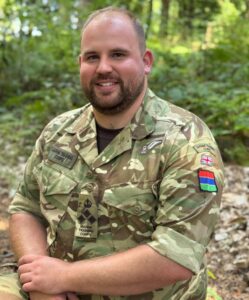
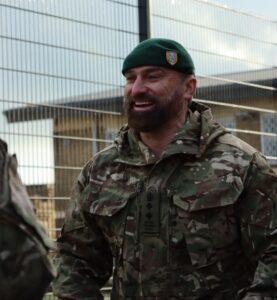
Regional Adult Roles
Adults in regional positions (e.g., Regional Officers, Regional Training Officers, Regional Support Staff) are responsible for:
- Providing strategic oversight and support to multiple units within their region.
- Ensuring units maintain standards of training, discipline, safeguarding, and health & safety.
- Mentoring and developing unit leaders, instructors, and volunteers.
- Coordinating regional training events, competitions, and inspections.
- Acting as the link between units and national leadership, relaying information, guidance, and policy updates.
National Adult Roles
Adults at the national level (e.g., National Headquarters staff, National Training Officers, National Volunteer Coordinators) are responsible for:
- Setting policy, strategic direction, and curriculum standards for the entire MTC.
- Overseeing regional operations and ensuring consistency across the country.
- Leading national events, camps, and competitions.
- Supporting leadership development for regional and unit-level volunteers.
- Acting as ambassadors for the MTC, representing the organisation externally and promoting its reputation and values.